
Experiment design · Creative direction
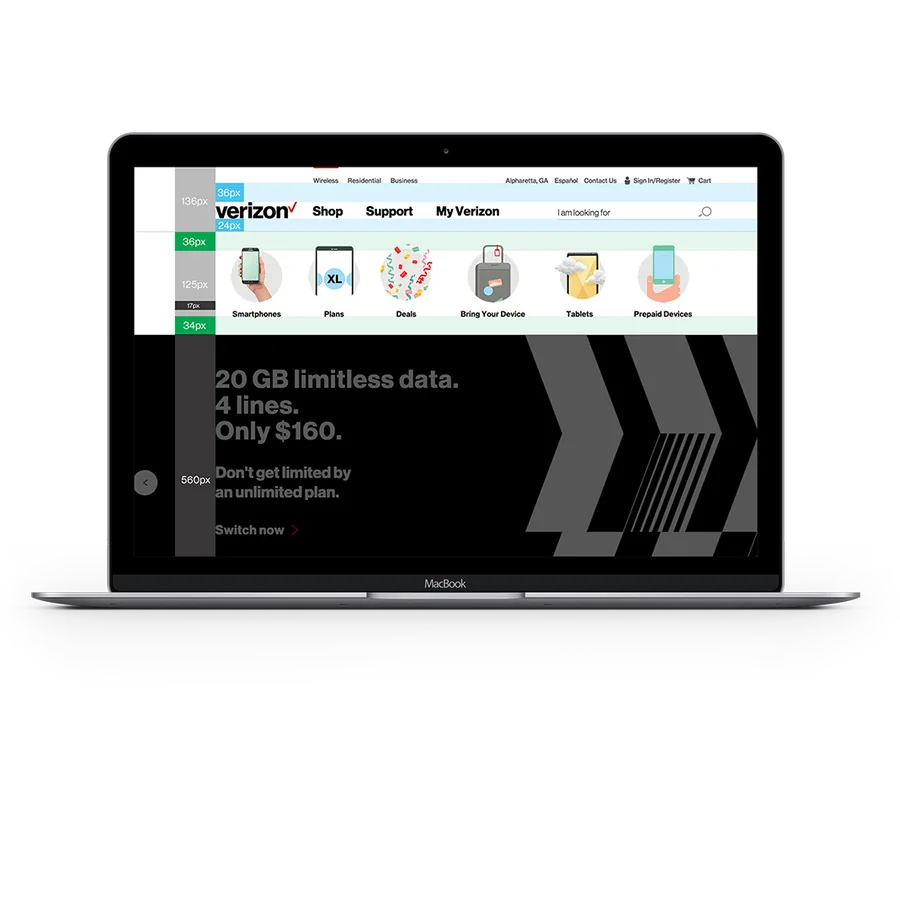
A smaller header. More room to shop.
A focused layout experiment exploring whether a shorter header could bring products and key messages into view sooner.
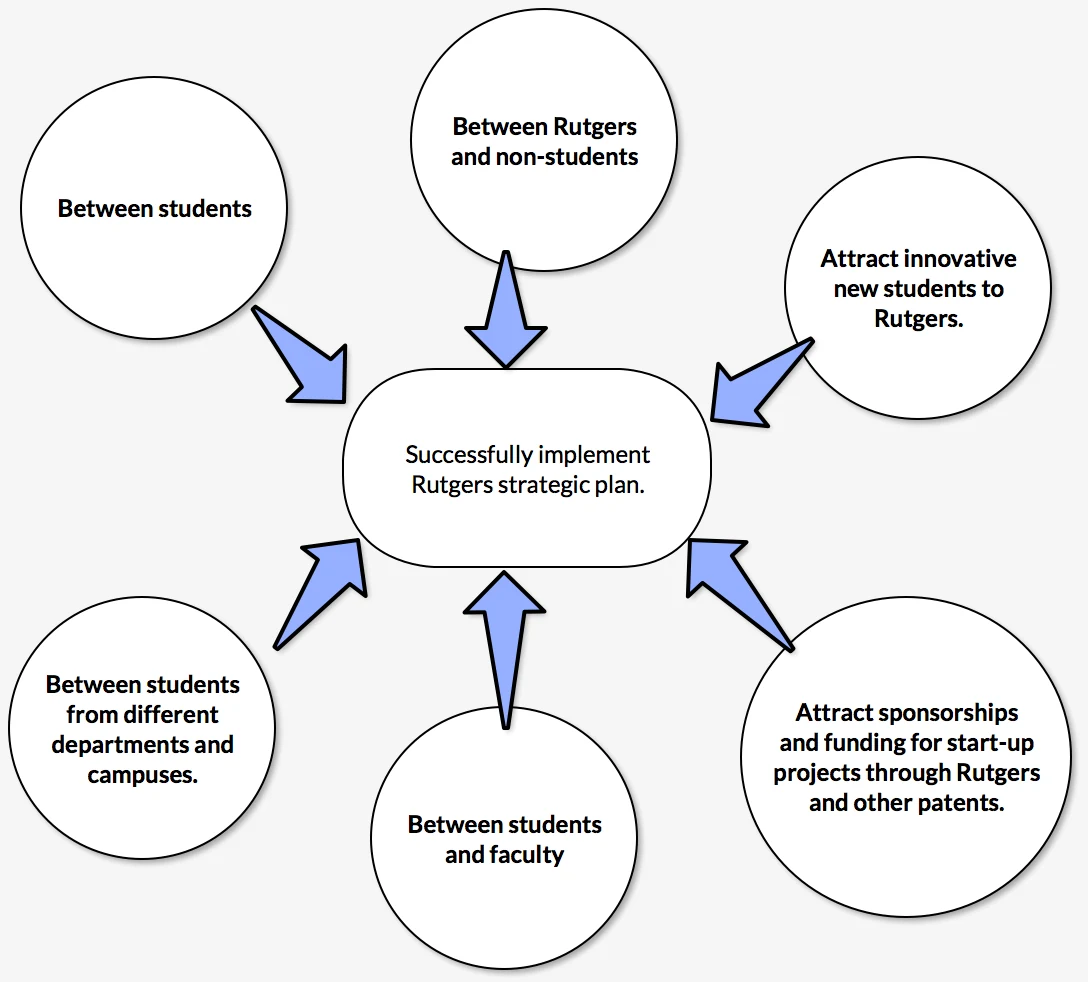
Rutgers Connect explored a social product for students who wanted to turn ideas into shared projects. As part of a five-person team in the Rutgers UX Design program, I helped investigate the problem and develop a concept around creating, connecting and managing collaborative work.
Students looking for collaborators across campuses and disciplines.
Make it easier to move from a promising idea to a shared project with the right people.
An academic product concept, research materials, user journeys, and a conceptual prototype.
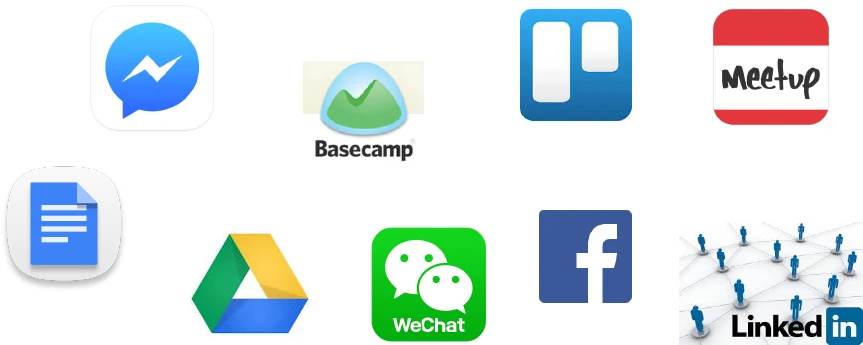
The assignment focused on a university community separated by campuses, departments and areas of study. We treated the need for a mobile collaboration product as a hypothesis and explored how people already found project partners, what motivated participation and where existing tools fell short.
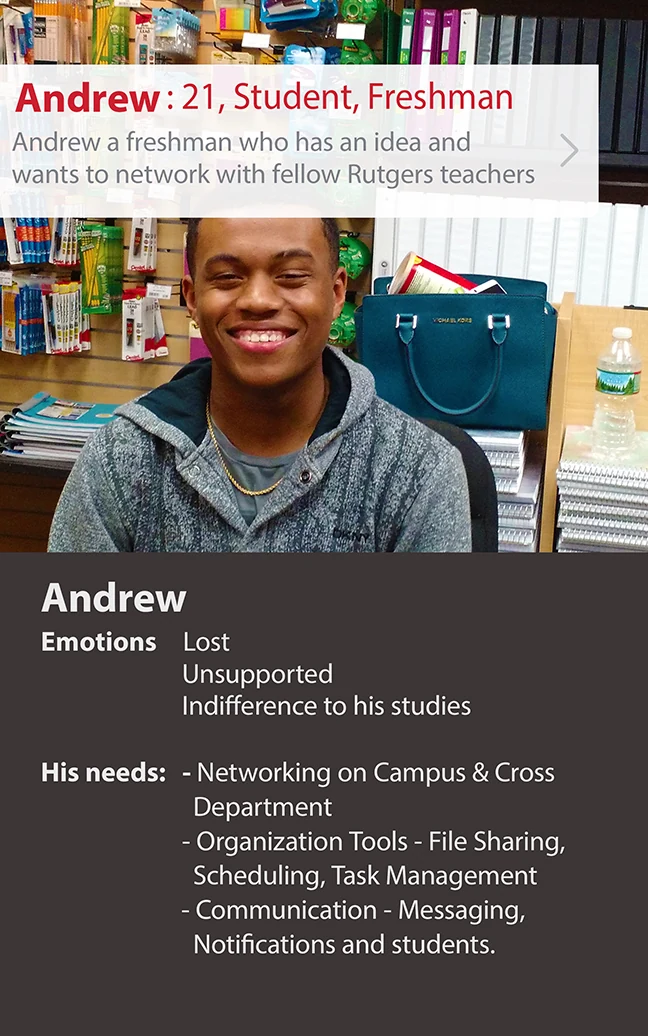
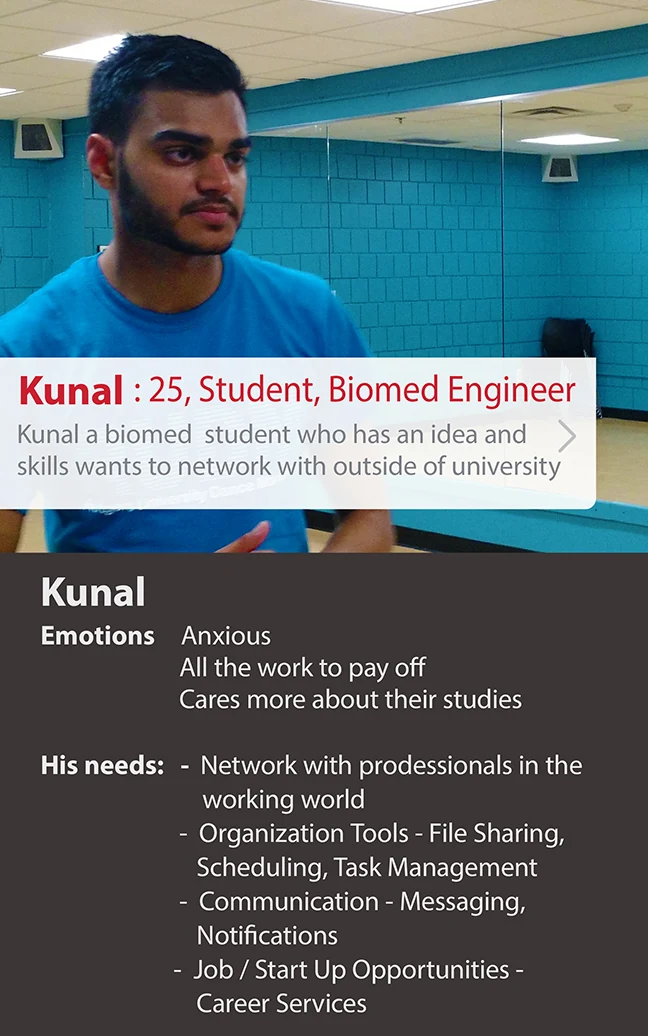
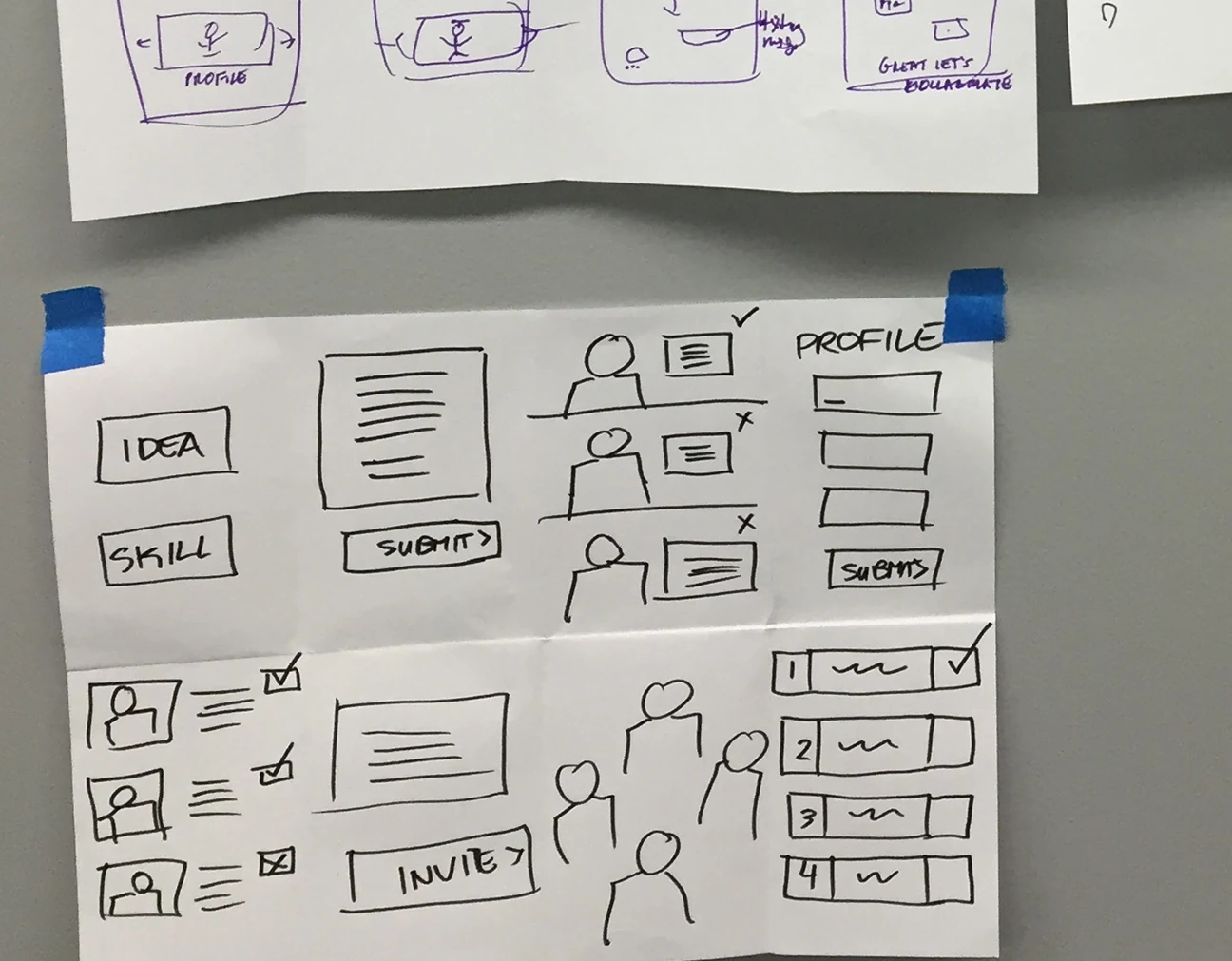
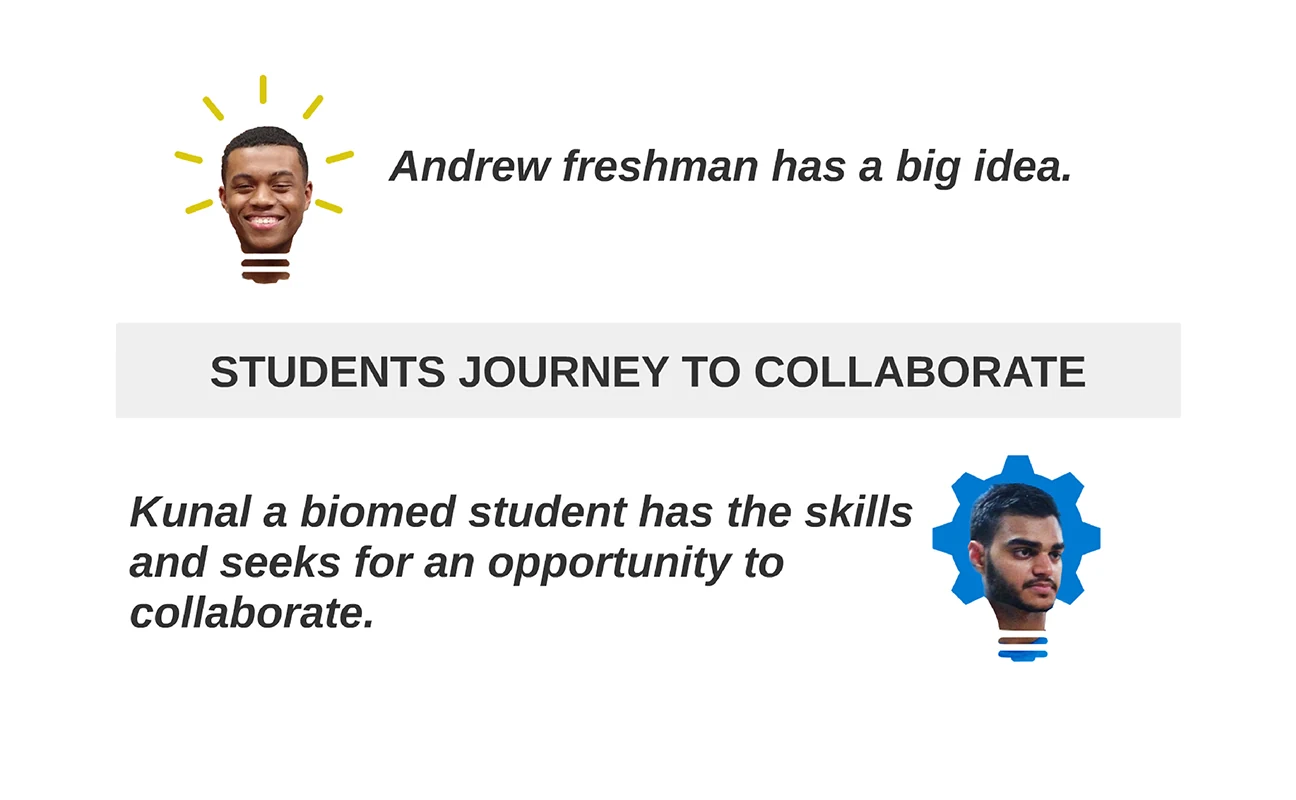
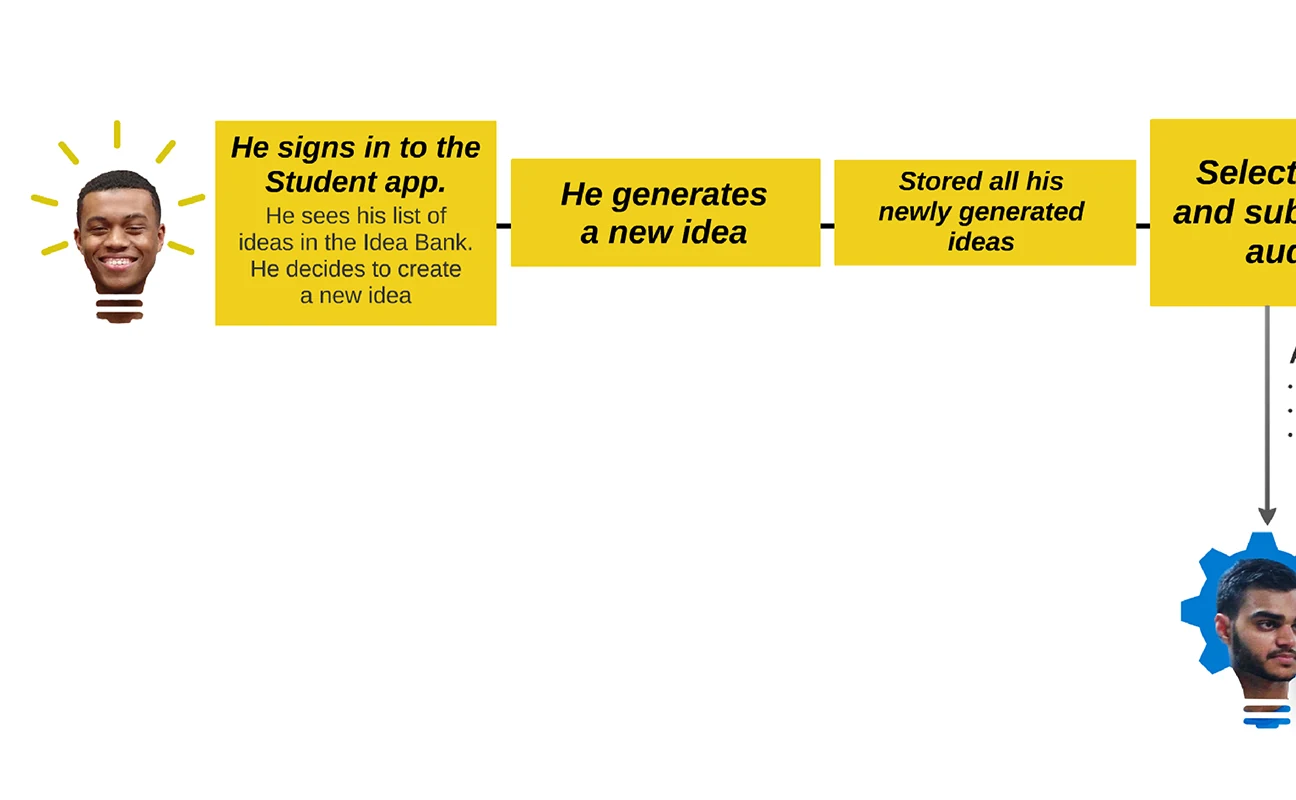
We sketched individually, shared feedback and refined ideas in smaller groups before choosing a direction. Journey maps followed two personas from an initial idea through invitations, coordination and project completion, giving the team a shared view of the experience.
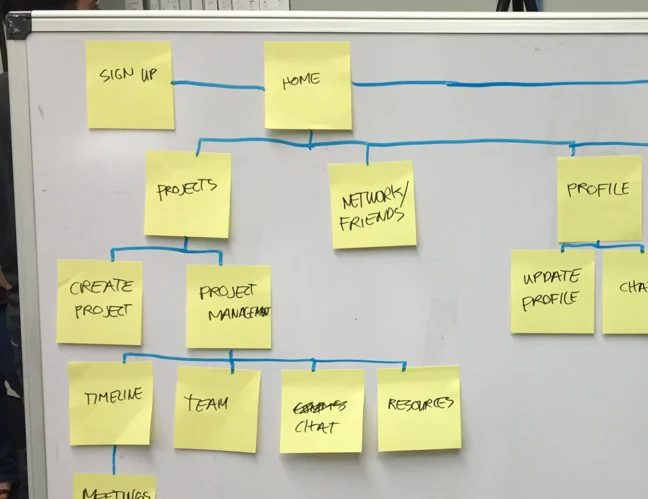
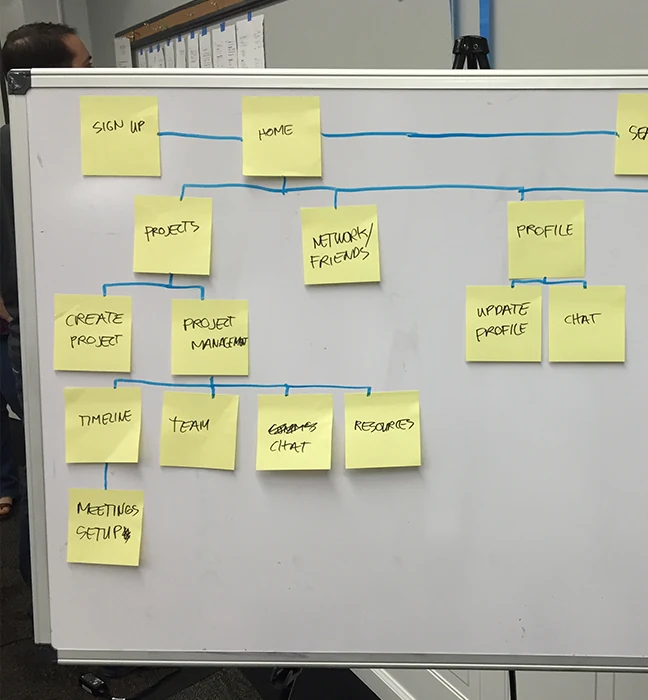
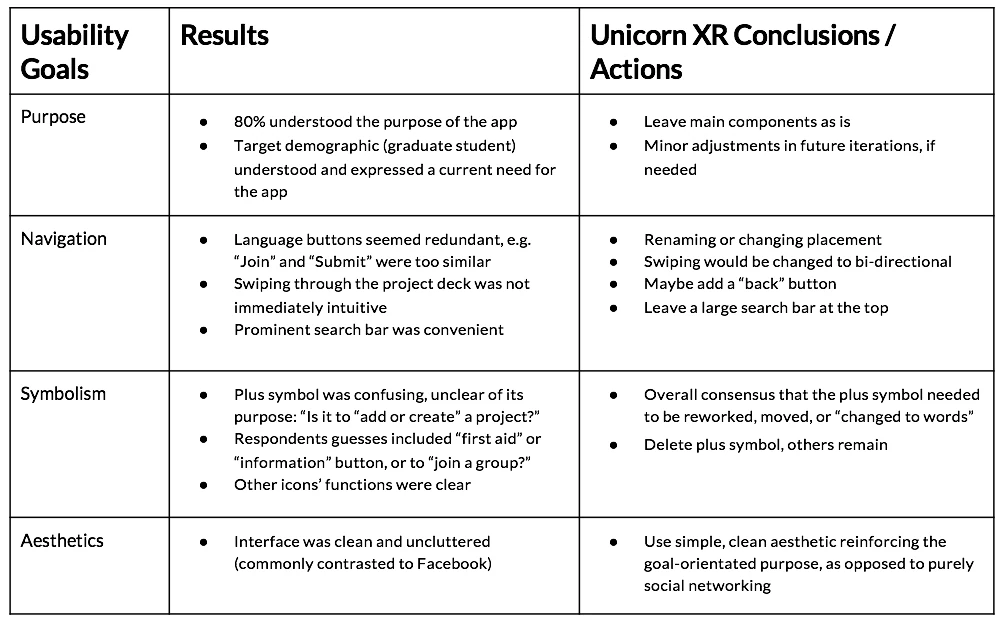
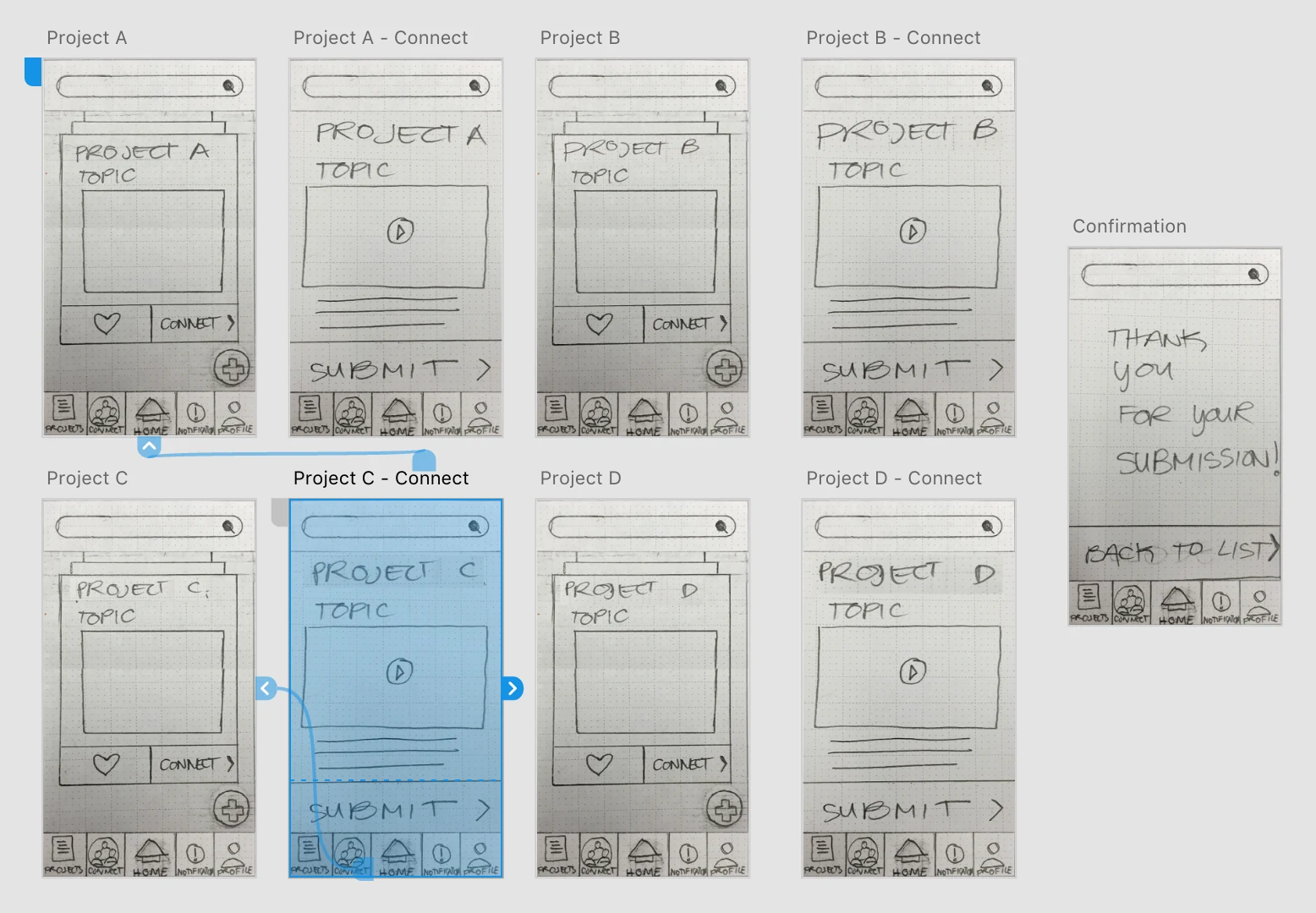
Early usability work examined the core idea, home-page navigation, features and information architecture with people from several backgrounds. The team then refined a conceptual prototype and presented its process to classmates and instructors. This was an academic proposal, not a commissioned or launched Rutgers service.
This project shows how I connect research to product structure. The team used collaboration needs to shape discovery, invitations, and project coordination before refining the interface.
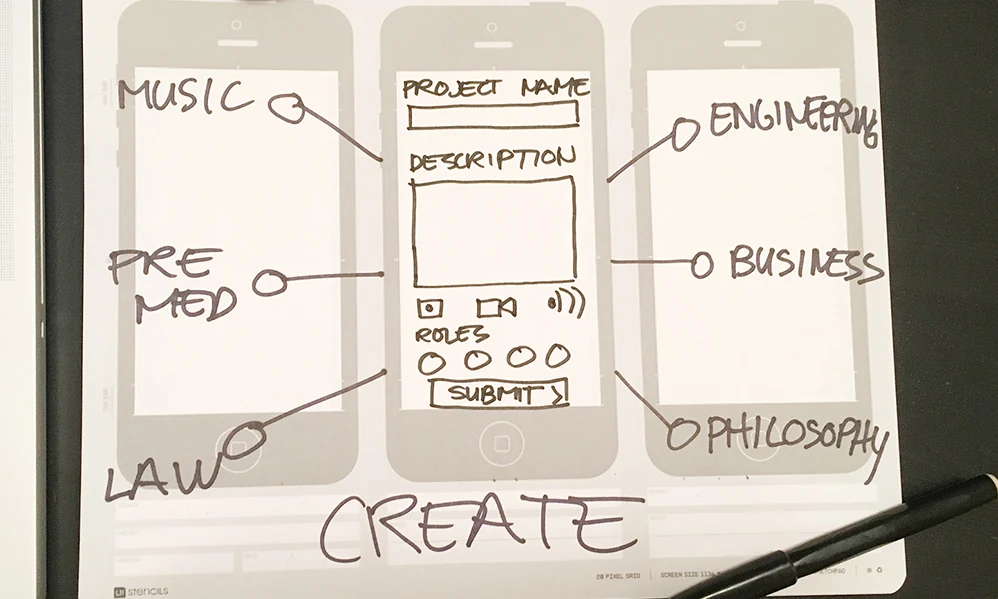
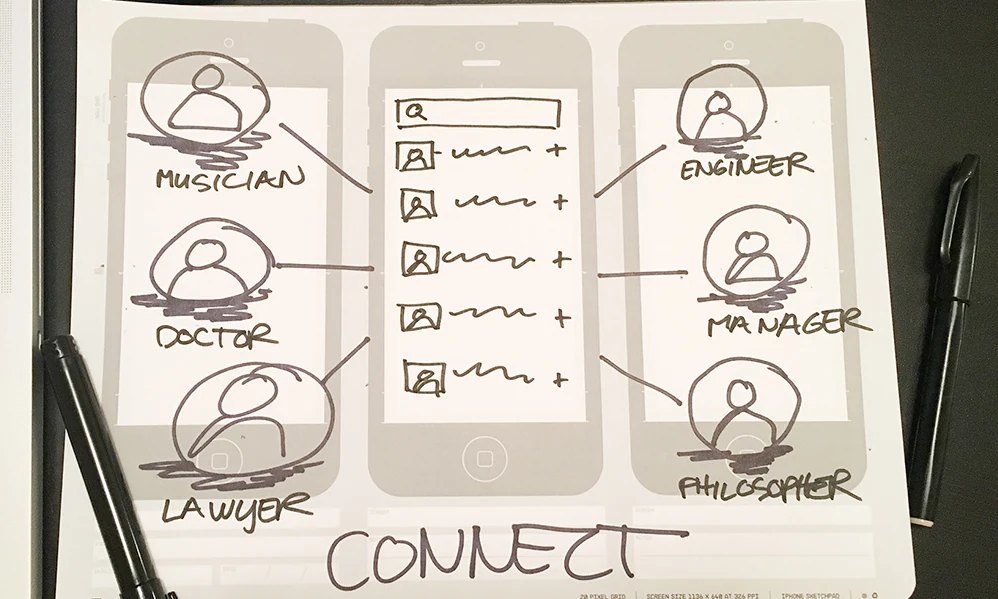
Original project materials reflect the product interfaces and brand guidelines at the time. This overview describes my design contribution; it does not claim unreported business or conversion results.
A focused layout experiment exploring whether a shorter header could bring products and key messages into view sooner.
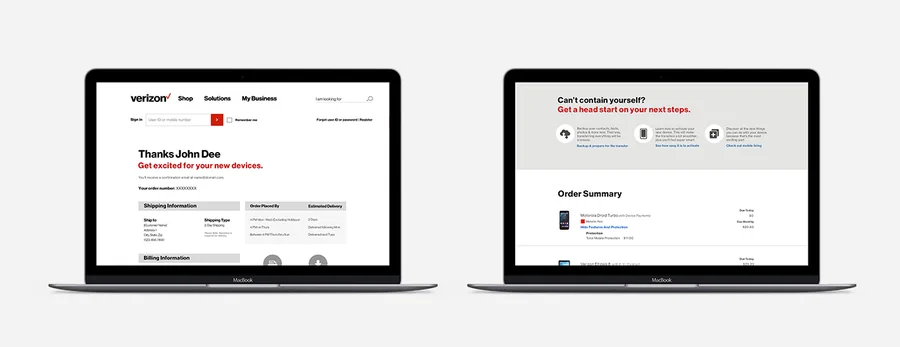
A confirmation-page redesign focused on useful purchase details, product guidance and a clearer path to self-service.
UX leadership, practical AI, and thoughtful digital experiences.